June: Alsace
Place, Grapes, Bottles & a Trip Itinerary

The wine region of Alsace has changed hands between France and Germany multiple times since the year 870. In fact, it was under German rule from 870–1648—nearly 800 years. Though it has been part of France since the end of World War II, Alsace’s identity is a true blend of French and German heritage.
Experiencing this vibrant mashup of cultures was my favorite part of a recent trip to Alsace. The language, architecture, cuisine, and wine all reflect the region’s layered history.
“It’s baffling that the wines of Alsace receive so little attention from the media,” says wine industry publicist Tom Wark of Fermentation. “This region is ancient, complex, and produces stellar wines in a variety of styles. Many of the best examples are affordable.”
Let’s dive in.


Place
Alsace is in the northeast corner of France. Geographically, Alsace lies at the northern limit of where grapes can ripen successfully; latitude-wise (between the 47th and 49th parallels), it’s as far north as much of Champagne.
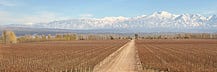
Despite its northerly location, the vineyards lie east of the Vosges Mountains, which block wet weather patterns coming in from the Atlantic. This “rain shadow” effect makes Alsace one of the driest wine regions in France. These sunny, dry conditions make it easier for growers to farm organically or biodynamically; many producers here are certified or well on their way.
The terroir of Alsace is famously complex; I smiled every time a winemaker sighed before beginning to explain it.
The best description I heard compares Alsace’s soils to a soufflé. Imagine a dome of earth rising up and then collapsing, causing layers of soil from different geological periods to fracture and intermingle in intricate patterns. This is indeed what happened in Alsace over a period of 300 million years through cycles of tectonic plate collision and erosion.
The result is a patchwork of soil types, sometimes changing within just a few yards. The lower slopes of the Vosges are based on granite, schist, volcanic and sandstone soils. The Vosges foothills have more limestone and calcareous sandstone. The plains are dominated by alluvial soils.
Grapes
Alsace is best known for its four noble varietals:
Riesling is traditionally fermented to dryness in Alsace (worth remembering if you prefer dry expressions of this grape). It’s a superstar in this region.
Pinot Gris can be fermented dry or with residual sugar. Though Pinot Gris is genetically the same as Pinot Grigio (as it is known in Italy), this grape gets special treatment in Alsace. It’s picked later and comes from lower-yielding vines, achieving notable texture, depth and complexity.
Gewürztraminer is an aromatic varietal, offering intense aromas of rose petal and lychee. Alsace is the most famous and important region in the world for this grape.
Muscat, also an aromatic varietal, is typically fermented dry in Alsace. While the nose is heady with floral and stone fruit aromas, its dryness makes it leaner on the palate.
These grapes are known for being particularly food friendly. Tom Wark notes that Riesling and Gewürztraminer are “a regular fixture on our table, particularly with well spiced food and in the back yard on warm days.”
Another grape to watch? Pinot Noir from Alsace is achieving greater ripeness than in the past, producing wines with impressive concentration and silky tannins. As the climate continues to warm, many speculate that Pinot Noir will become the fifth noble varietal.
Bottles
Hugel Gentil ($16) This white blend is a taste of Alsace in one bottle, and at an accessible price point. By law, it must contain at least 50% of the noble varietals.
Henry Fuchs Pinot Blanc - Auxerrois ($20) was recently featured in Eric Asimov's New York Times article "20 Joyous Wines Under $20." While you may have to track them down, all the wines from this estate offer exceptional value.
Trimbach Riesling ($28) From Tom Wark: “The Trimbach Riesling is one of the best values in the marketplace for those who like their wines distinctive, crisp and with food. This is a go-to Riesling in the Wark home.”
Josmeyer Gewürztraminer Les Folastries ($35) Beautiful wine from a two-sisters operation in the village of Wintzenheim.
Albert Boxler Pinot Gris ($45) A revered producer in Alsace—buy anything you can find from this special estate. (Their Grand Cru plots are Brand and Sommerberg).
Domaine Weinbach Muscat ($48) Classic aromatic nose and a dry finish from an iconic Alsatian estate.


Grand Cru bottles to know about
There are 51 vineyard sites in Alsace that have been awarded Grand Cru status. Similar to Burgundy, multiple producers can farm within the same Grand Cru vineyard. The bottles below reflect Grand Cru sites that are cultivated by producers I’ve enjoyed.
Josmeyer Grand Cru Hengst Riesling
Henry Fuchs Grand Cru Kirchberg de Ribeauville Riesling
Albert Boxler Grand Cru Sommerberg Riesling
Domaine Zind-Humbrecht Grand Cru Rangen de Thann Riesling. Rangen de Thann is the only one of Alsace's 51 Grand Cru vineyards with volcanic soils.
Domaine Weinbach’s La Colline du Château Pinot Noir. “La Colline du Château” is French for “Schlossberg”. If Pinot Noir becomes a permitted noble varietal, they can put Schlossberg on the bottle, as they do for the noble varietals coming from this Grand Cru site.


Bonus Section: Planning a Trip to Alsace
For subscribers to Wine Notes, I’m sharing the research I did for our recent trip to Alsace.
How to get there
We flew into Frankfurt and rented a car at the airport. We did this because the second half of our trip was Mosel Valley (after which we flew back home, out of Frankfurt). It took about 2.5 hours to get from Frankfurt to Eguisheim, which was our home base in Alsace. If someone in your party is comfortable driving (shout-out to my husband, the driving MVP), it truly changes the scope of what you can see and taste in one trip. If not, arrange for a driver.
Where to stay
The villages along the Alsace Wine Route are utterly charming. I felt like I was walking through a Disney set built for Belle in Beauty and the Beast. Timber-framed houses, flower-filled window boxes, winding cobblestone streets—all truly out of a fairy tale.
We stayed in Eguisheim, and it was a great home base: compact, walkable, and quiet. It was lovely and strategically located to visit a number of producers in the surrounding villages (see below). Other villages to consider are Colmar (central, and the biggest), Kaysersberg (great food scene), Riquewihr (storybook beautiful, home to Hugel), and Ribeauvillé (castle ruins and great restaurants). There are pros and cons to staying in each of these villages; I suggest doing some research and going with what appeals most to you.
Producers to visit
There are many. I read reviews and producer profiles across several sites and came up with this list. An essential tip: you must email ahead of time and make an appointment at these estates. Using Google Translate, while not perfect, is a nice gesture in your opening communication. Find more estates to choose from at the amazing Alsace Wine Route website.
Domaine Weinbach in Kaysersberg. Revered. Grand Cru Schlossberg is exceptional.
Domaine Josmeyer in Wintzenheim. Biodynamic, refined, a two-sisters operation. Try the Grand Cru Hengst and Grand Cru Brand.
Albert Boxler in Niedermorschwihr. Cult-favorite, age-worthy wines.
Domaine Zind-Humbrecht in Turkheim. Biodynamic pioneer.
Domaine Schoffit in Colmar. Superb Riesling and Pinot Gris.
Domaine Henry Fuchs in Ribeauvillé. Small, organic, incredible value. If you can, book with Paul Fuchs, the current winemaker. (Check out my Q & A with Paul soon!)
Lucien Albrecht in Orschwihr. Sparkling Crémant d’Alsace.
Domaine Leon Beyer in Eguisheim. One of the oldest, traditional, and in a picturesque part of the village.
Hugel in Riquewihr. One of the oldest and most respected estates.
Restaurants
There are many fabulous restaurants in Alsace. I love to find places in the Michelin Guide that have a Bib Gourmand mention—delicious food and a more friendly price point than the starred restaurants. We enjoyed La Taverne Alsacienne in Ingersheim, La Winstub de Chambard in Kaysersberg, and Au Vieux Porche as well as Le Pavillon Gourmand, both in Eguisheim.
An optional hike
The Three Castles of Eguisheim is a lovely hike.


Questions?
All subscribers to Wine Notes can reach out via direct message if you have any questions as you plan your trip to Alsace.
Credits
Thank you, Tom Wark, for contributing to this piece. Tom Wark launched The Spill last September after more than 20 years publishing his own newsletter, Fermentation. As a wine industry publicist for more than 30 years, he has an in-depth understanding of the wine media. He creates The Spill every morning from his home in the Willamette Valley in Oregon where he lives with his wife Kathy and son Henry.
Wine Scholar Guild, French Wine Scholar: Alsace chapter
More from this series
April: Roussillon—Where Grapes Grow & Wild Boar Roam
March: Love in the Languedoc — A Guide to Southern French Wine