
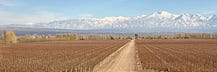

Today, as in generations past, many wine lovers consider Burgundy sacred ground. As far back as the Middle Ages, Cistercian monks tended the vines and meticulously documented the qualities of the vineyard sites, laying the foundation for Burgundy’s famous vineyard classifications.
The region is home to some of the world’s most famous and expensive bottles. While demand remains high, supply is limited. Burgundy is less than one-third the size of Bordeaux, and the famous Grand Cru vineyards account for only 1–2% of the region’s total production.
Bottles from the most famous sites are truly legendary among wine lovers, equal in terms of reputation to the finest bottles from Bordeaux. It doesn’t hurt that the area showcases two varietals that wine lovers often can’t help waxing poetic about: Chardonnay and Pinot Noir.
In this edition of Wine Notes, we will take a look at place (terroir), grapes and bottles at a variety of price points, with a special section featuring recommendations from The Burgundy Outlook. I’ll also unpack Burgundy’s appellation system, and I’ll share producers to consider visiting if you plan a trip. Let’s dive in.


Place
Burgundy is in eastern France, about two hours from Paris by train or car. It’s a cool region with a continental climate. This part of France was once covered with a warm and shallow sea. The terroir is sedimentary, dominated by limestone (ideal for Pinot Noir) and marls (well suited to Chardonnay).
The subregions, from north to south, are as follows:
Chablis – Know any “ABC” (Anything But Chardonnay) drinkers? Introduce them to Chablis. Here you’ll find bright, citrusy, mineral-driven Chardonnay grown on ancient limestone soils that were once seabeds during the Jurassic period. Oak is typically used sparingly (if at all).
Châtillonnais – Home to Burgundy’s sparkling wine. Made in the traditional method, Crémant de Bourgogne is one of the best values in French wine. Remember, we’re not far from Champagne, and Crémant de Bourgogne is often made from the same grapes: Chardonnay and Pinot Noir.
Côte de Nuits – Pinot Noir territory. There are 33 Grand Cru vineyards in Burgundy, and 24 of them are found here. Many of the world’s most celebrated (and expensive) red wines come from this stretch of the Côte d’Or, or “slope of gold”, which encompasses the Côte de Nuits and the Côte de Beaune, just to the south.
Côte de Beaune – This area is home to some of Burgundy's most celebrated Chardonnays, including the legendary Montrachet. It's also home to exceptional Pinot Noir, particularly from Corton Grand Cru.
Côte Chalonnaise – Just south of the Côte de Beaune and often overlooked. Great values can be found here, with both Chardonnay and Pinot Noir offering a classic taste of Burgundy often at a friendlier price point. The Mercurey, Montagny, and Givry appellations, in particular, are worth seeking out.
Mâconnais – Burgundy’s southernmost and warmest subregion, producing generous, fruit-forward Chardonnay. Pouilly-Fuissé (not to be confused with Pouilly-Fumé in the Loire Valley, which is Sauvignon Blanc) is the region’s best-known appellation.
Beaujolais - Just south of Mâconnais is Beaujolais, which some consider a subregion of Burgundy. Check out my upcoming post in November for more on Beaujolais in my usual format: terroir (place), varietals (grapes) and bottles to explore.

There are many fault lines within Burgundy, especially in the Cote d’Or. These are areas where the earth shifted, causing layers of sedimentary deposits from different time periods to mix. The result is a patchwork of soils with various ages and composition; this is why terroir is analyzed with great detail across the region. Terroir in one place may be markedly different than soil just a few feet away.


Grapes
White
Chardonnay – Aka “white Burgundy.” Chardonnay is the flagship white grape in this region. Depending on where it’s grown, you’ll find aromas ranging from citrus and green apple to ripe peach and apricot. Oak is used to varying degrees (generally less in Chablis, more in the Côte de Beaune and Mâconnais), adding notes of hazelnut, toast, and baking spices.
Aligoté – Burgundy’s second most important white grape, and not to be missed! You’ll find bright acidity with notes of lemon, green apple, pear, and a chalky, mineral finish.
Red
Pinot Noir – Aka “red Burgundy.” Red fruit flavors like cranberry, raspberry, strawberry, and pomegranate are primary, along with earthy notes of forest floor, wet leaves, and mushroom. Oak aging can add hints of cocoa powder and baking spice.
Gamay – Best known as the grape of neighboring Beaujolais, but also grown in southern Burgundy, particularly in the Mâconnais.
Other Grapes
Other permitted varieties include Sauvignon Blanc, used in the Saint-Bris appellation near the Loire Valley (I wrote about Saint-Bris in 12 French Wines for the Holidays); Pinot Blanc; Sacy (permitted in Crémant de Bourgogne); Melon de Bourgogne (also permitted in Crémant, though it’s now best known as the star grape of Muscadet in the Lower Loire); Pinot Gris; and César, a rare red variety used in the Irancy appellation.
Appellation Hierarchy
Burgundy is home to 84 appellations (legally defined wine-growing areas with their own production rules), more than any other wine region in France. The system can seem intimidating at first, but it generally follows the hierarchy explained below. The number of appellations in each tier is shown in parenthesis.
Regional Appellations (7)
Wines labeled simply Bourgogne AOC represents the broadest category, the regional appellation (other regional appellations include Crémant de Bourgogne and Mâcon). The grapes may come from anywhere within the region. These wines are typically the most affordable bottles in Burgundy.
Village Appellations (44)
One step up are wines labeled with the name of a specific village, such as Givry or Meursault. The grapes come from vineyards within that village, a smaller zone of production than the wider regional cateogory.
Premier Cru
Above village wines are Premier Cru bottlings. Burgundy has 662 officially designated Premier Cru climats (vineyard sites). Unlike Grand Cru vineyards, Premier Cru sites do not have their own appellations. You’ll recognize these bottles by the words Premier Cru (or 1er Cru), often followed by the name of the individual vineyard.
Grand Cru Appellations (33)
The top of the pyramid is reserved for Burgundy’s 33 Grand Cru vineyards, which account for only about 1–2% of total production. At this level, the vineyard name alone appears on the label (Montrachet, Romanée-Conti, or Clos de Vougeot), because the site itself is considered famous enough to stand on its own.
Both Premier Cru and Grand Cru designations refer to the vineyard site, not the producer. A single classified vineyard may be divided among many growers, each making wine from the same vineyard.
One of the best examples is Clos de Vougeot, a 125-acre (50.6-hectare) Grand Cru vineyard that is divided among roughly 80 owners, each making their own winemaking decisions.
Who decides whether a vineyard earns Premier Cru or Grand Cru status? The INAO (Institut National de l’Origine et de la Qualité), France’s governing body for appellations. Classification is based on a vineyard’s ability to consistently produce exceptional wine, thanks to its location, soils, and overall terroir.
Names to recognize…
Vosne-Romanée is arguably the most famous village in all of Burgundy. It is home to 8 of the region’s 33 Grand Cru vineyards, including some of the most sought-after wines in the world. It’s fun to simply recognize the names of these storied vineyards: La Romanée, Romanée-Conti, Romanée-Saint-Vivant, Richebourg, La Tâche, Échezeaux, Grands Échezeaux, and La Grande Rue.
And for Chardonnay? Memorize the name Montrachet, and then keep track of its famous neighbors: Puligny-Montrachet, Chevalier-Montrachet, Bâtard-Montrachet, Bienvenues-Bâtard-Montrachet, and Corton-Charlemagne. These vineyards produce some of the world’s most famous white wines.


Bottles
White (Chardonnay)
Regional
Domaine Roux Pere & Fils Les Cotilles Chardonnay 2023 ($18)
Domaine Drouhin Vaudon Chablis 2024 ($30) A classic introduction to Chablis: crisp, mineral-driven Chardonnay from Burgundy's northernmost wine region.
Domaine Matrot Bourgogne Chardonnay 2022 ($42)
Subregional
Joseph Drouhin Macon-Villages 2024 ($23)
Village
Louis Latour Marsannay Blanc 2023 ($54) From the village of Marsannay in the Côte de Nuits.
Famille Paquet Saint-Veran Les 99 Coupees 2023 ($46) From the village of Saint-Veran in the Maconnais.
Premier Cru
Louis Latour Montagny La Grande Roche Premier Cru 2023 ($49) A Premier Cru site from the village of Montagny in the Côte Chalonnaise.
Grand Cru
Domaine Chanson Corton-Vergennes Grand Cru Blanc 2023 ($155)
William Fevre Chablis Les Clos Grand Cru 2023 ($200)
Red (Pinot Noir)
Regional
Joseph Drouhin Bourgogne Rouge 2022 ($32)
Subregional
Domaine Didier Fornerol Cote de Nuits-Villages 2024 ($50) I read about this producer in a great article by supervinobros. Classic Burgundy Pinot Noir.
Village
Hubert Lignier Monthelie 2022 ($89) From the village of Monthelie in the Cote de Beaune.
Laboure Roi Auxey-Duresses Rouge 2022 ($55) From the village of Auxey-Duresses.
Louis Latour Vosne-Romanee 2022 ($130) This is a village-level wine; however, Vosne-Romanee is often considered Burgundy's most prestigious village for Pinot Noir.
Domaine Georges & Christophe Roumier Chambolle-Musigny 2020 ($550). Another village-level wine, but Pinot Noir from Chambolle-Musigny is described as "silk and lace” in the French Wine Scholar manual, and Roumier is one of Burgundy's most respected producers.
Premier Cru
Philippe le Hardi Mercurey Les Puillets Premier Cru 2022 ($37) It’s hard to find a Premier Cru at this price; part of the reason for this bargain is that it comes from the village of Mercurey in the lesser-known Cote Challonais (south of the Cote d’Or).
Domaine Besson Givry Les Grands Pretans Premier Cru 2023 ($43) Another great value Premier Cru from the village of Givry, also in the Cote Challonais.
Bouchard Pere & Fils Beaune du Chateau Premier Cru Rouge 2022 ($60)
Grand Cru
Louis Latour Chateau Corton Grancey Grand Cru 2023 ($160)
Lucien Le Moine Clos de la Roche Grand Cru 2022 ($469)
Domaine de la Romanee-Conti Romanee St. Vivant Grand Cru 2020 ($2,999) Because I had to link one DRC!
Sparkling
JCB Caviar Blanc de Blancs Cremant de Bourgogne ($30) Great value for traditional-method sparkling.
Vignerons des Terres Secretes Cremant de Bourgogne Brut Rose ($23) Another great buy, 80% Pinot Noir and 20% Chardonnay.
Budget Burgundy & Hidden Gems
Domaine du Colombier Chablis Petit Chablis 2024 ($25) Petit Chablis comes from vineyards surrounding Chablis. You’ll find similar green apple, citrus, and mineral flavors (typically unoaked), at a friendlier price point.
Simonnet-Febvre Saint-Bris de Sauvignon Blanc 2023 ($19) Sauvignon Blanc from Burgundy? Yes! From the Saint-Bris appellation- read more here.
Domaine Jean-Marc Pillot Bourgogne Aligote 2023 ($34) Aligoté is Burgundy's "other" white grape. Expect a refreshing, crisp wine with bright citrus flavors and lively acidity.
Domaine Georges Lignier Bourgogne Passetoutgrain 2023 ($27) Passetoutgrains is a traditional blend of Pinot Noir and Gamay. It's fresh, fruit-forward, and a great value.
Domaine de Cromey Rosé ($29) Recommended by The Burgundy Outlook (see below for more of their recommendations).
Even More Bottles:
I am delighted to introduce The Burgundy Outlook, one of my favorite wine newsletters on Substack. They have generously provided their own list of bottles to explore. Check out their recommendations below.
White (Chardonnay)
Domaine Oudin Chablis 2023 ($44) Floral and mineral, this is a lovely introduction to the Chablis made by sisters Nathalie and Isabelle Oudin.
Domaine Jean-Jacques Girard Pernand-Vergelesses 1er Cru “Sous Fretilles” 2023 ($95) A lively Chardonnay from near the Corton hill, with white flowers, citrus, and a long, mineral finish.
Red (Pinot Noir)
Domaine Pierre Thibert Bourgogne “Les Bouffales” Rouge 2022 ($37) This single-vineyard Pinot Noir offers blackcurrant, pepper, and impressive structure for a regional Burgundy.
Domaine Elodie Roy Maranges “La Rue des Pierres” 2023 ($62) Cherries, berries, and a hint of cocoa meet fine tannins and bright acidity in this red from the often-overlooked Maranges appellation.
Domaine de Cromey Beaune 1er Cru “Champimonts” 2023 ($89) From our own Domaine de Cromey project, this Beaune Premier Cru shows dark fruit, smoky notes, and a velvety finish.
Domaine Thierry Mortet Gevrey-Chambertin 2022 ($95) Made from 20 parcels across Gevrey-Chambertin, this village wine brings together blackberry, blackcurrant, and a touch of licorice.
Sparkling
Domaine de Cromey Crémant de Bourgogne ($40) A lively Chardonnay Crémant with notes of pear, apple, and citrus, fine bubbles, and a crisp finish.
Bonus Section: Planning a Trip to Burgundy
For subscribers to Wine Notes, I’m sharing logistical details from my recent trip to Burgundy.
How to get there:
We flew into Paris, where we stayed for two nights. We then took the high speed train from Paris to Dijon, where we rented a car. We drove from Dijon to the village of Beaune, which was a delightful home base for our explorations.
Where to stay:
We stayed in the village of Beaune in a no frills but strategically located hotel: Hotel Ibis in Beaune
Getting oriented:
After arriving in Beaune, we were oriented to the region through a masterclass with Adeline Borra, a Burgundy native and amazing wine educator. She had maps for us, a brief presentation, suggestions on where to go, and poured us wines from all the subregions of Burgundy. I highly recommend visiting Adeline- she has amazing connections and suggestions.
Producers to visit (Email ahead of time):
Côte de Nuits
La Grande Cave de Vougeot- Well-curated wine shop near Clos de Vougeot.
Domaine Armelle et Bernard RION- Many generations of winemakers in this family; classic Vosne-Romanée wines.
Côte de Beaune
Domaine Joseph Drouhin- Iconic Burgundy producer with outstanding guided tastings.
Domaine Bader-Mimeur- Family estate in Chassagne-Montrachet; excellent white Burgundy.
Chateau de Meursault- Historic château with extensive cellar tours and tastings.
Chateau de Pommard- Gorgeous wines from an historic estate. Educational tour and tasting. Home to Clos Marey-Monge, one of the biggest monopoles (an entire vineyard owned by a single owner) in Burgundy.
Patriarche- Massive underground wine cellars beneath Beaune.
Mâconnais
Domaine Luquet- Family-run producer crafting expressive, value-driven Mâconnais Chardonnay.
Producers recommended by Burgundy Outlook
Domaine Thierry Mortet (Gevrey-Chambertin) — A family domaine in the Côte de Nuits with a tasting room in the village. A chance to discover Gevrey through a smaller producer.
Domaine Pierre Thibert (Corgoloin) — Pierre built this small domaine, now working alongside his son Arthur. The estate offers tastings and cellar visits; arrange a time ahead.
Domaine de Cromey (Couchois) — Our tasting room occupies a restored 16th-century winemaking building. It’s an opportunity to explore a less-traveled part of Burgundy and see our replanted Le Clos vineyard.
Credits
The Burgundy Outlook is a weekly publication from the team at burgundywine.com, exploring Burgundy’s growers, vineyards, and history beyond labels, scores, and headlines.
Vins de Bourgogne – Official website of the Burgundy wine region (bourgogne-wines.com/)
Wine Scholar Guild – French Wine Scholar Study & Certification Program (Burgundy chapter)
https://terroirsbyadeline.com- Adeline is an amazing educator in Beaune! Book a masterclass with her if you’re visiting the region.
More from this series
April: Roussillon—Where Grapes Grow & Wild Boar Roam
March: Love in the Languedoc — A Guide to Southern French Wine
Lovely guide, Kristen! 🍷 I particularly enjoyed the spotlight on Côte Chalonnaise and Aligoté. Burgundy is so often associated with prestigious names and prices, but some of its most interesting discoveries lie beyond the famous appellations. Always more to explore! 🥂
This is such an excellent guide